Featured Piano Teachers In Mountain
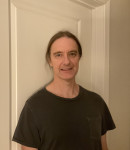
Douglas E
Instruments: Piano, Guitar, Organ, Lap Steel Guitar, Ukulele, Keyboard, Electric Guitar, Classical Guitar, Acoustic Guitar
I started teaching right after I graduated from Berklee. I have worked in studios , but have been self employed for the most part. It’s very rewarding and creative that way. I have played 3,000 performances in my career, which gives me a unique perspective on teaching. I have run rock camps as well. I prepped the singers, drums, bass, keyboards, and guitar players. They had a concert for the parents at the end of the camp. Read More
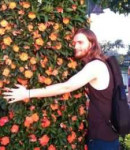
James M
Instruments: Piano, Guitar, Synthesizer, Keyboard, Electric Guitar, Classical Guitar, Acoustic Guitar
I love the many facets of music. My love of music, and my best practice, stems from a deep enjoyment of listening to music, as a consumer of sound. Developing my listening ear has been the most useful tool in all my years as a performer. I've played with academic ensembles in a choral setting, and done significant work in small ensemble classical guitar groupings. My most enjoyable long term academic ensemble, however, was the African Hand Percussion Ensemble, as while it had a very strict underlying structure for the cohesion of the group, it was deeply improvisational in nature, my favorite aspect of musical performance. Read More
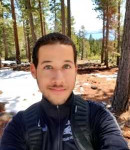
Tyler S
Instruments: Piano, Guitar, Voice, Violin, Cello, Viola
For my beginning students, I will typically teach out of the Sound Innovations methods books and incorporate certain lessons from other method books as well. After a foundation has been established, I will introduce solo repertoire and begin to work toward recitals and local competitions. I introduce concepts from a variety of composers, styles, and periods, but I also want to encourage the child's love for music so I take into account what things they have heard and possibly want to learn. Read More

Jordan T
Instruments: Piano, Trombone, Clarinet, Drums, Bass Guitar, Euphonium, Tuba, Piccolo, Mallet Percussion, Orchestral Percussion, Conga, Latin Percussion, Music, Keyboard
Since I have had many different teachers in many different areas of my musical life, my philosophy is to be flexible and open as an instructor. I have learned many different methods and techniques, and depending on the type of lesson I'm teaching, I use whatever methods are relevant. Whether I'm teaching rock music, orchestral music, or even marching band techniques, my goal is to give students the skills and tools they need to have fun and be successful. Read More

Carlie W
Instruments: Piano
I'm currently attending school and majoring in both Piano Pedagogy and French Education. I love to play the piano and sharing my talents with other people. I have had many opportunities to perform in front of people. I love working with students and helping them to improve their musical abilities. My greatest achievements come from seeing the joy that piano can bring into students' lives. My goal every lesson is to get a smile from my students' faces. Read More

BBB Accredited
Don't just take our word for it. We hold the highest possible A+ rating from the nations foremost online reliability source: The BBB. Check out our A+ rating from the Better Business Bureau.