Featured Piano Teachers In Northeast

Tal T
Instruments: Piano, Violin
I have been teaching violin for about 3 years and general music for about 4. I have experience teaching, instructing, and mentoring music students from the ages of 9-13. Not only have I taught violin, but also piano and general music theory to many middle school students and even my past and present peers. Over the years I have learned that each student has their own strengths and weaknesses and I pride myself in understanding them on a professional, but personal level. Read More
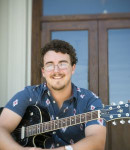
Joel B
Instruments: Piano, Guitar
I typically use Mel Bay's Modern Guitar Method for beginning guitarists and the Suzuki Method for beggining pianists. For students first learning music, I make sure to include solo pieces that the student is interested in and other custom written fundamental lessons in addition to these resources. Once they reach the point that they have a solid grasp of their instrument, we focus more closely on learning pieces and concepts that reflect musical situations in which the students sees themselves; be it playing solo, playing and singing, accompanying other instrumentalists or vocalists, or playing in an ensemble or band. Read More
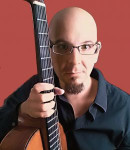
Robert K
Instruments: Piano, Guitar, Voice, Drums
Nothing makes me happier than having the opportunity to share my love of music and guitar. Upon graduating from Skidmore College in 2000, I was accepted to Florida State University to the classical guitar program under the study of Bruce Holzman. I feel my decision to simultaneously work towards two masters degrees speaks clearly for my motivation and passion towards music. While I focused on music theory/composition for my PhD studies at Louisiana State University, I continued performing newly composed works by graduate composers for the instrument. Read More
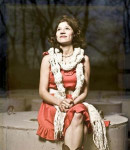
Caryn C
Instruments: Piano, Flute, Accordion
Early in her career, Caryn worked in the AR dept of Disney's Lyric Street Records, in charge of selecting songs and editing mixes before they were put on the market. Shortly afterward, Caryn was editing chord charts, tracking piano parts, coordinating session schedules, and managing live studio sessions for Disney record producer Fred Mollin. After years of work in the music business, Caryn left to pursue a new path of creating a piano and flute instruction studio. Read More
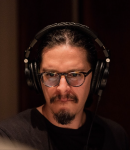
Timothy T
Instruments: Piano, Guitar, Drums, Bass Guitar, Mallet Percussion, Orchestral Percussion, Conga, Latin Percussion, Keyboard, Djembe, Acoustic Guitar
Over the years, I've taken lessons from instructors who had an array of teaching styles. While in high school, I was taught through intimidation and was scared into learning, which is something I was able to handle. This methods can actually turn students away from music which is the main reason dislike approach. Students should be comfortable and relaxed when entering a lesson. This not only creates a positive learning environment for the student but helps create a relationship between instructor and student that only helps the growth of both individuals. Read More

BBB Accredited
Don't just take our word for it. We hold the highest possible A+ rating from the nations foremost online reliability source: The BBB. Check out our A+ rating from the Better Business Bureau.