Featured Music Teachers In Southwest

Shao-Yu (Ann) C
Instruments: Piano, Flute, Music, Keyboard
For beginning students no matter their ability level, I always introduce rhythms at the first couple lessons. Rhythm is one of the most important elements in music playing. Once they can recognize rhythms and count, we will start reading music notes then combing altogether along with playing and singing. I typically use David Carr Glover Method for Piano for beginners along with theory book, technic book and performance book in class. Read More

Art S
Instruments: Guitar, Bass Guitar, Ukulele, Mandolin, Music, Electric Guitar, Classical Guitar, Acoustic Guitar
I am an experienced, highly motivated instructor who loves teaching. I am a graduate of the Musicians Institute in Los Angeles California and i have over 12 years of teaching experience working in every teaching environment including, in home, music studios, music schools as well as formal schools. I have taught private as well as group lessons to all ages, styles and ability levels. Ive toured in 15 countries as well as all over the United States and shared the stage with Def Leppard, Slayer, Black Label Society as well as many others. Read More

Harold C
Instruments: Guitar, Music, Electric Guitar, Classical Guitar, Acoustic Guitar
I have been playing guitar for over 50 years years. My teaching approach: I possess a thorough knowledge of the instrument. Focus on proper technique for all students, regardless of his/her playing ability. Once proper technique is established, I utilize the Berklee Series as a basis for instruction. These volumes are supplemented by exercises, which I write specifically for the particular student’s needs. As the student progresses, I incorporate tunes that the student wishes to learn into the lesson plan.My guitar lessons take place in: Either locationGuitar Techniques: Lead guitar, Rhythm guitar, Open tuning, Fingerpicking, Slide Guitar, Performance, Improvisation, Jamming Skills, Reading Music, Music Theory, Scales and Exercises, Song Writing, Guidance In Equipment Selection Read More
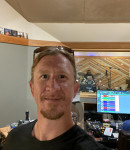
Aaron L
Instruments: Piano, Guitar, Bass Guitar, Mandolin, Music, Electric Guitar, Acoustic Guitar
For beginners, I like to start by teaching some basic versions of songs that you love. I will also start out teaching some basic chords and strumming patterns. I can show you the proper way to hold and play your instrument so that it is comfortable and sustainable. I will also be teaching you some scales which you can use to play any song you hear. Did you know that once you learn the major scale, almost every song you hear will fall on that scale? Read More

Sherri K
Instruments: Piano, Guitar, Voice, Violin, Ukulele, Recorder, Music, Keyboard
I usually start all of my piano students from the Alfred series. Those that are more advanced will complete the curriculum quicker.. Alfred seems to offer a more detailed instruction technique. It offers step by step instructions. The student can almost teach himself. For guitar I use the Everyday guitar method. This method introduces each string at a time. By the end of the book, you will be playing songs on each string. Read More

BBB Accredited
Don't just take our word for it. We hold the highest possible A+ rating from the nations foremost online reliability source: The BBB. Check out our A+ rating from the Better Business Bureau.