Featured Violin Teachers In Southwest
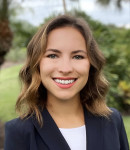
Zoe M
Instruments: Violin, Electric Violin, Fiddle
While I have taught violin lessons since 2010, my most recent passion for teaching occurred when I became an Adjunct Professor of Violin at New York University from 2016-2018. I held this position for two years while I was simultaneously completing my Masters degree, and maintained a studio of 10 students each semester. While at NYU, I taught a variety of students, from complete beginners to advanced violin players. Outside of NYU, I have also gained experience privately teaching younger students, and I am a Suzuki certified teacher. Read More
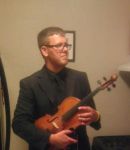
Kasey K
Instruments: Piano, Guitar, Violin, Viola, Bass Guitar, Harmonica, Mandolin, Electric Violin, Fiddle, Double Bass
Hey Guys, I'm a very enthusiastic person with a passion for teaching and love for knowledge. I graduate from NMSU with my BM in music performance in 2010. I've had great sucess and am well traveled when it comes to music. From symphonies to quartets, jazz ensembles to rock bands, I've done it all. I'm a recent Texas transplant and I really excited to begin working! Read More

Tura H
Instruments: Piano, Voice, Violin, Cello, Viola, Trumpet, Trombone, Saxophone, Flute, Clarinet, Drums, Recorder, Double Bass, Euphonium, French Horn, Tuba, Mallet Percussion, Orchestral Percussion, Oboe, Bassoon, English Horn, Keyboard
I am a versatile music teacher. As an undergraduate at Ithaca College, I learned each band and orchestra instrument from the college instructor. For example, I learned to play the oboe from the oboe professor. We had to make our own reeds and use them to play our final exam. Through this rigorous training, I learned to play all major scales and high school level music on the flute, clarinet, oboe, bassoon, trumpet, French Horn, trombone, baritone, tuba, violin, viola, cello, double bass, and percussion. Read More

Abigail M
Instruments: Piano, Violin, Viola
Over my years of teaching, I have developed my own method for beginning students that caters to the individual student's needs and learning styles. Once the student has grasped the basic fundamentals, I start to introduce solo repertoire appropriate to their level, as well as focusing on learning proper technique. I believe that a very important part of my role as teacher is to guide the student on the route that they want to go. Read More

Carlos N
Instruments: Guitar, Violin
I've been playing violin for 14 years and guitar for 9 years. Read More

BBB Accredited
Don't just take our word for it. We hold the highest possible A+ rating from the nations foremost online reliability source: The BBB. Check out our A+ rating from the Better Business Bureau.