
 313-736-5444




Musika Quick Stats
25 Years
Since We Started
41,456+
Happy Customers
10,769
Cities with Students
3,123
Teachers in Network
Lesson Special - Up to 20% OFF! Get Started Now with a Risk-Free Trial!
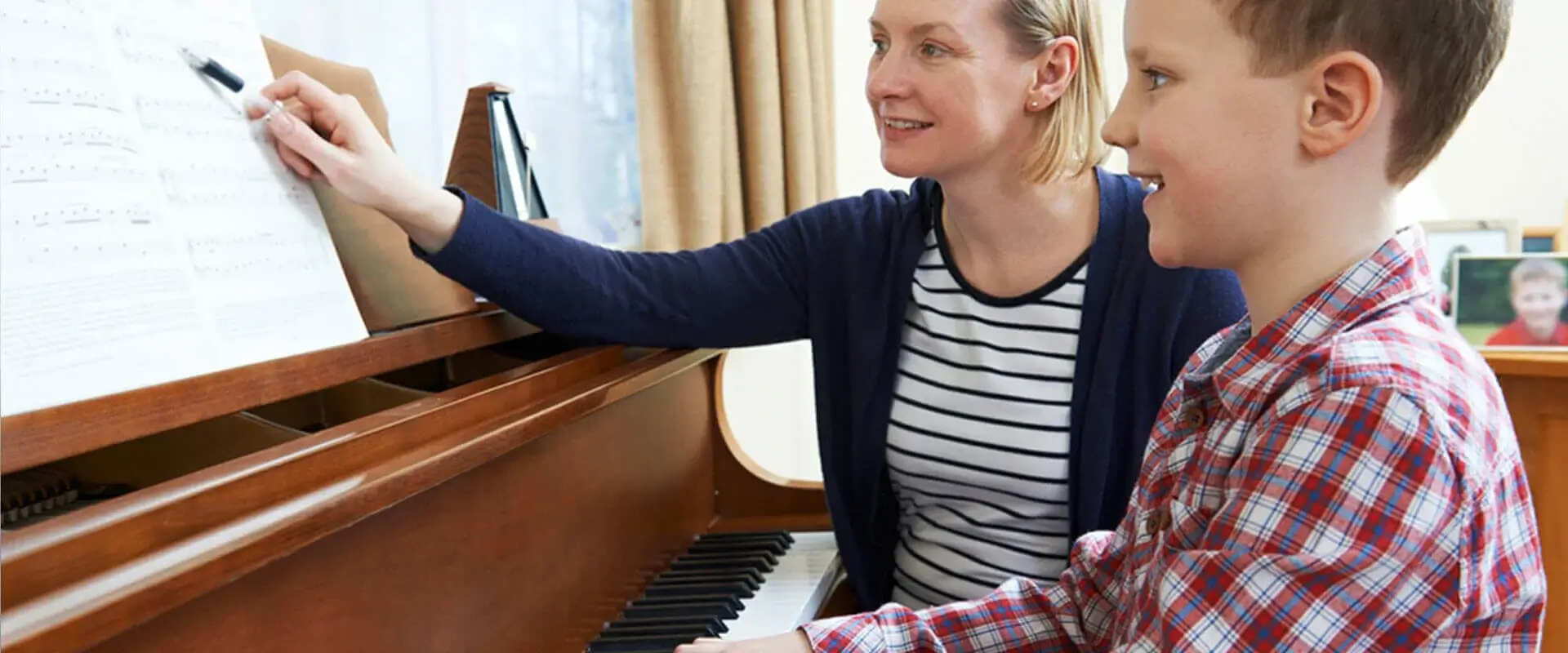
Here are just a few of the many teachers offering Piano lessons in Canton . Whether you are looking for beginner guitar lessons for your kids, or are an adult wanting to improve your skills, the instructors in our network are ready to help you now!
Instruments: Piano Guitar Voice Violin Cello Viola Trumpet Trombone Saxophone Flute Clarinet Drums Bass Guitar Organ Synthesizer Harp Accordion Harmonica Lap Steel Guitar Banjo Ukulele Mandolin Recorder Lute Electric Violin Fiddle Double Bass Euphonium French Horn Tuba Piccolo Mallet Percussion Orchestral Percussion Shakuhachi Oboe Bassoon English Horn Conga Latin Percussion Music Keyboard Electric Guitar Djembe Classical Guitar Acoustic Guitar
I have over twenty years of experience in teaching public classes and private lessons. I have a great joy in discovering breakthrough moments where everybody can work together towards achieving their personal goals. Though it is true that every person is unique and different, it is always great where folks can get together and share the love that is music whether that be performing or simply sharing a tune with a loved one or neighbor. Read More
Instruments: Piano Drums Synthesizer Mallet Percussion Orchestral Percussion Conga Latin Percussion
I have been teaching music for more than 10 years. While living in New York City I taught group ensemble classes for students ages 10-16 which played everything from jazz standards to pop, rock, hip-hop and blues. I’ve taught private lessons in drums, guitar and piano for Third Street Music Settlement, the country’s oldest community music school. My students have went on to participate in Berklee School of Music and Jazz at Lincoln Center educational programs. Read More
Instruments: Piano
My favorite thing about teaching is that no two students are the same; and no two lessons with the same student are either! It is so important to establish a goal for a student to work towards, so that they know what they're practicing for. Not huge goals either that are months away, but goals that can be accomplished between each lesson. The best part of the job is seeing students get excited for music, and being able to grow in such a way that they're able to put their personality into their performances. Read More
Instruments: Piano
I began my music education at the age of six in Ukraine. My love for music has led me to pursue a career in the field. I am very grateful to my teachers for having passed on their knowledge and love for music to me and I wish to equally pass on my love for music to my students. I am a member of Music Teacher National Association, Michigan Music Teacher Association (MMTA), and Metropolitan Detroit Musician League. Read More
Instruments: Piano Saxophone Clarinet Music
My methods are adaptable based on the student's previous or current instruction with private teachers or their school teachers. For all students I love to play along and model concepts for them. I involve a lot of kinesthetic movement based lessons along with visual and aural aids. I get to know the type of learner my student is and then plan my instruction to fit their learning style. I am a fan of etudes and short technical exercises as well as long tones for intermediate to advanced students. Read More
Instruments: Piano Guitar Drums
I find the Hal Leonard Series works as a tool for helping students understand musical concepts right away. For students who are more advanced I will plan their lessons based on what their goals are. Every student is different: Some want to compete in recitals, some want to play for their friends and family when they come over, some want to compose their own musical pieces, some people just wanna jam! Read More
Instruments: Piano Guitar Bass Guitar Organ Synthesizer
For beginning students, I start with the traditional Mel Bay (or comparable) beginner books that focus on the fundamentals while building strength and coordination and just build from there. For students with a little more experience, I like to focus on more challenging exercises and concepts while nurturing their knowledge of music theory and performance. Each student is different and knowing what motivates them motivates me. My goal is to have them want to pick up their instrument and play. Read More
Instruments: Piano Trumpet Trombone Euphonium French Horn Tuba Music
How do I know if my child is ready to start lessons?
Your child is ready to start learning music as soon as they express interest in music. This can be as early as 3 years old. Students can start learning piano or recorder as early as 3 or 4 years old. For brass instruments if a child expresses interest they can start as early as age 8 or 9 years old. For all music students a basic familiarity with the piano keyboard is a great asset.
When will I start to see results?
Students should see results after one or two lessons, and will continue to grow and flourish as time passes. The best indicator early on is that they are motivated to practice at home. For younger students parental guidance may be re required
Did you have a teacher that inspired you to go into music? How did they inspire you?
As the 5th of six children in my family, my older sibling started playing music when I was very young, and since we had a Piano in the house, I would often play. I started Piano lessons in 2nd or 3rd grade. My High school Band director was a great inspiration for me, and after a couple of years in band I know that I wanted to be a conductor. I could see myself in his shoes saying a lot of the things he told the band. Prior to that I had always wanted to be a Math professor which was inspired by my favorite uncle who was a math professor. Although I have two Music degrees, I never lost my interest in math, and am a certified teacher of both Music and Math!
Why did you choose your primary instrument?
I started piano lessons in elementary school, and my older sister played the Trombone. She encouraged me to play the French Horn, and I eventually majored in French Horn Performance in college.
What musical accomplishments are you most proud of?
I have a few accomplishments for which I am proud. I was conductor for a small chamber ensemble in Vienna, Austria and had several performances at various venues around town, the pinnacle was performing at the Vienna Konzerthaus, which is the home of the Vienna Symphony Orchestra. Another accomplishment I am proud of is that almost all of the brass students I have had since moving to Ann Arbor, have been 1st chair in the top band at their high school by tier junior or senior year.
Have any of your students won awards or been selected for special honors? How have they succeeded?
Most of my students have consistently relieved a top rating at the Solo and Ensemble Festivals. I encourage all of my students to compete in both Solo and Ensemble. The excellence of my students is mainly due to their solid practicing and desire to improve. The most important thing I contribute is a solid knowledge of music rudiments and theory, and an insistence on understanding musicality and artistry when playing. . I also continue to challenge my students to improve and to play/perform at their own respective best.
25 Years
Since We Started
41,456+
Happy Customers
10,769
Cities with Students
3,123
Teachers in Network
Trusted as the industry leader, for over 21 years the teachers in our network have been providing Piano lessons in Canton to students of all ages and abilities.
We'll then reach out to the teachers for you.
Schedule the risk-free trial lesson directly with the teacher.
Continue with that teacher or try someone else.