
 310-935-4532



Musika Quick Stats
25 Years
Since We Started
41,456+
Happy Customers
10,769
Cities with Students
3,123
Teachers in Network
Lesson Special - Up to 20% OFF! Get Started Now with a Risk-Free Trial!
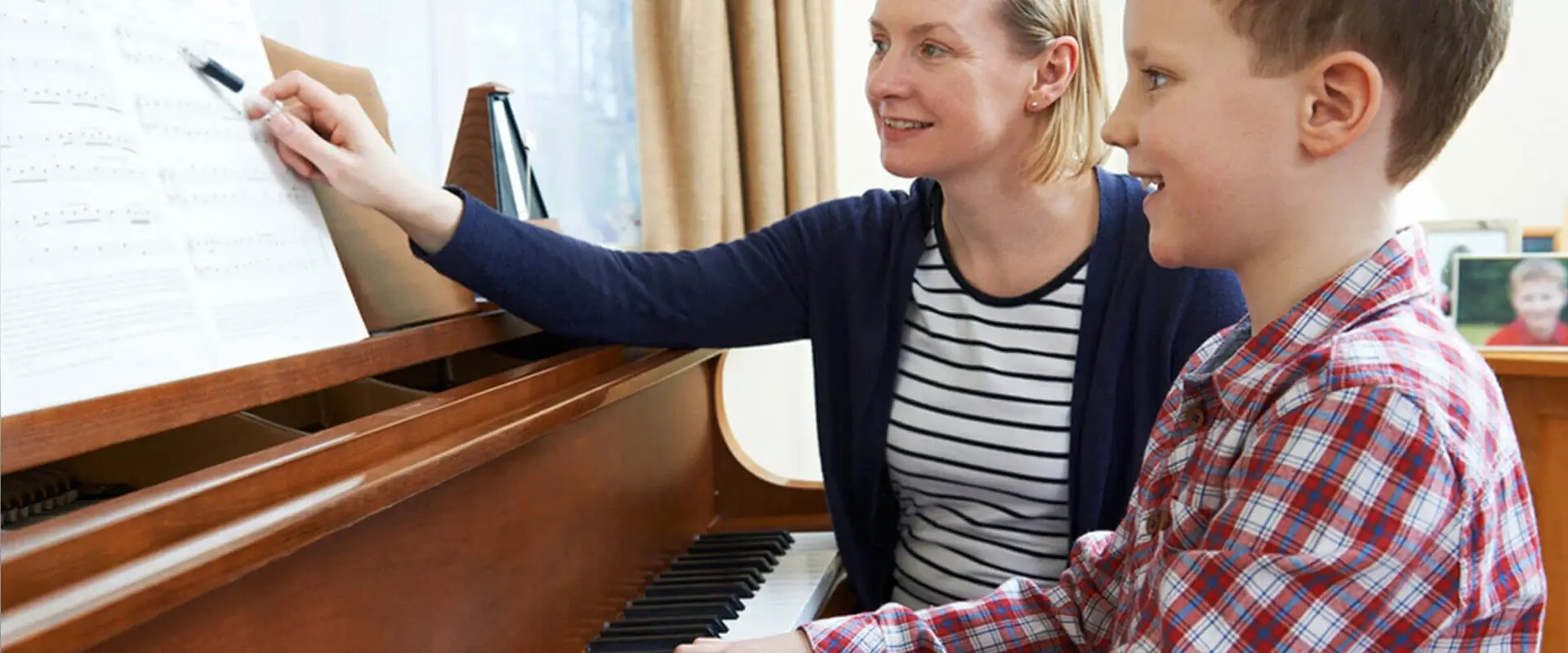
Here are just a few of the many teachers offering Piano lessons in Compton . Whether you are looking for beginner guitar lessons for your kids, or are an adult wanting to improve your skills, the instructors in our network are ready to help you now!
Instruments: Piano Guitar Bass Guitar Synthesizer Ukulele Music Keyboard Electric Guitar Acoustic Guitar
My teaching experience started not too long ago despite me playing professionally for awhile. I decided to start up private lessons during the COVID-19 pandemic over zoom and discord because my day job at the time had laid me off. However, I quickly learned that upon being a private teacher, it was difficult to market and advertise for myself in the hopes to get new students as well as keep up with my professional commitments. Read More
Instruments: Piano
Learning piano is fun. I started playing at a very young age and when I mean young, I mean really young. I started playing the piano when I was 3 1/2 and I had no idea what I was doing back then but my Mom persistently sent me to music school. Today, I am so thankful that because of her persistence and patience, I was able to become a great pianist. There were a lot of rough patches when the music got really difficult to play and I wanted to quit multiple times but despite the challenges, my Mom was my #1 fan and kept encouraging me through the process. Read More
Instruments: Piano Flute
She has appeared in many venues, from churches to performance halls, lounges to large arenas. She has collaborated with many local artists in San Francisco, Orlando, and Chicago. She also served as a church worship leader, leading the oldest multi-ethnic congregation in the city of Chicago. In addition to her piano expertise, Yaocheng is also an accomplished flute player. She has won awards and participated in major music festivals such as National Repertory Orchestra and the Colorado College Summer Institute. Read More
Instruments: Piano Saxophone Flute Clarinet Drums
My methods depends on the skill level and interest of the student. Fundamentals are key, but I always try to incorporate them with music that the student is interested in learning. I believe that music should never be boring, and practicing should never be a chore! I also believe that musicians of all skill levels can and should improvise, as it is a fundamental form of creative expression that is often overlooked by classically trained musicians. Read More
Instruments: Piano Voice Trumpet Trombone Saxophone Flute Clarinet Euphonium Oboe Bassoon
I am very familiar with all of the standard piano methods, and will evaluate the student in the first few lessons to choose a method that they will be the most comfortable with. I supplement all lessons with music theory and outside repertoire, allowing the students to choose from their favorite genres/artists. For theatre, musical theatre, and vocal coaching, I also employ Linklater and Alexander techniques. I also really enjoy exposing students to styles, genres or artists that they might not be familiar with along with the history behind the music they're learning! Read More
Instruments: Piano Guitar Drums Bass Guitar Ukulele Recorder Conga Music Keyboard Acoustic Guitar
For beginning students who are children, I typically start with CAGED System. Once the student has progressed to have a grasp of the fundamentals, I will begin to introduce solo repertoire appropriate for their first recital performance looking into different genres such as RnB, Blues, Rock, Pop, Jazz. For adults, I try to find out what the student is interested in, and guide my instruction accordingly to keep the lessons engaging and fun, no matter their ability level. 5 minutes of warm up, 25 of theory, 20 of repertoire and 5 of talking about the next class. Read More
Instruments: Guitar Drums Bass Guitar Music Electric Guitar Acoustic Guitar
When did you decide to become a professional musician? Was it a gradual decision or was there a defining moment for you?
I knew I had a talent for music when I was one of the fastest to pickup saxophone in elementary school. It quickly became clear it was my thing and I took it on as my identity before leaving middle school.
Does music run in your family? Tell us a little about your musical family members.
My mother sings at church but I am the only professional musician in my family. I started a love of music from listening to my dads CDs as a kid.
If you play more than one instrument, how did you decide to start playing the second? (Or 3rd, 4th, 5th, etc)!
I started on saxophone in elementary school and soon added the guitar which is my main instrument. In high school I started playing drums and bass and have been very active on both since, playing as a session musician in many famous studios.
What is your dream piece to perform and why?
My dream piece is a chord solo of Maria from west side story. I’ve been working on it recently and have found it to be a very rewarding arrangment
If you weren't a musician what do you think you'd be doing instead?
I have always gravitated towards art so I would enjoy painting or pottery. I have an interest in ceramics and am planning on taking classes when I move to philadelphia.
What is your favorite style/genre of music to play and why?
My favorite genre is rock/pop from the 60s-70s. My favorite bands are The Beach Boys, Bruce Springsteen, and Paul Simon. I love singer songwriter music as well as jazz, blues, and reggae.
If you have a Music Degree, what is it in (Performance, Education, Musicology, Theory, Composition, etc) and why did you choose that degree?
My degree is in songwriting and arranging. I enjoy composing and I’ve used these skills to write hundreds of songs some of which have been featured in tv shows. I always give my students tips on writing and composing.
What does a normal practice session look like for you?
When I practice I will run chords up the neck diantonically and chromatically. I will also run triads through 3 inversions up the neck. Also I will learn songs strictly by ear to practice ear training.
What do you think is the hardest thing to master on your instrument?
The hardest thing to master on guitar is knowing all of the notes on the neck and being able to use your ear to find them quickly. I work on ear training with my students to help with this.
Do you use specific teaching methods or books? (Ex: Alfred, Bastion, Suzuki, Hal Leonard) Why did you choose them if you did?
I use Hal Leonard with some younger students but I often take note from a students interests as to what genres to work with them on and how theory can be lightly applied to it
Have any of your students won awards or been selected for special honors? How have they succeeded?
Some of my students have gone on to attend Berklee College if Music and study with some of the grestest musiciabs in the world. One of those students got in on a scholarship.
How do I know if my child is ready to start lessons?
Every child should be exposed to music lessons at some point. Music is the universal language and every child deserves the opportunity to express their own creativity.
When will I start to see results?
After around 2 months of weekly lessons, students will start to make vast improvements if they have been practicing daily and are putting in the time and effort.
Did you have a teacher that inspired you to go into music? How did they inspire you?
I had many incredible teachers throughout my career, many of whom I’m still in touch with. A music teacher is unlike any other teacher as they are teaching a craft that is so spiritual and unique with the ability to move others with their art.
Why did you choose your primary instrument?
I first learned the saxophone and soon after moved to the guitar because I wanted to write songs. Since then I have written hundreds of songs and I’ve never looked back!
What musical accomplishments are you most proud of?
Performing for 50,000 people at primavera sound in Barcelona was one of my favorite musical moments. Truly an amazing event and I’ll never forget the feeling
What advice do you have about practicing effectively?
Take the time to set aside distractions and focus on your craft. Practice does not need to be boring it should be fun and engaging. My lesson plans give students the tools to enjoy their instrument and feel themselves improve.
25 Years
Since We Started
41,456+
Happy Customers
10,769
Cities with Students
3,123
Teachers in Network
Trusted as the industry leader, for over 21 years the teachers in our network have been providing Piano lessons in Compton to students of all ages and abilities.
We'll then reach out to the teachers for you.
Schedule the risk-free trial lesson directly with the teacher.
Continue with that teacher or try someone else.