214-865-6379






Musika Quick Stats
25 Years
Since We Started
41,456+
Happy Customers
10,769
Cities with Students
3,123
Teachers in Network
Lesson Special - Up to 20% OFF! Get Started Now with a Risk-Free Trial!
Here are just a few of the many teachers offering Piano lessons in University Park . Whether you are looking for beginner guitar lessons for your kids, or are an adult wanting to improve your skills, the instructors in our network are ready to help you now!
Instruments: Piano Guitar Voice Ukulele Keyboard Acoustic Guitar
My process for working with new voice students begins with an initial intake form, where I learn about your musical background, goals, and any specific areas youd like to improve. Following this, we schedule a first Discovery Lesson. This initial lesson allows us to get to know each other, assess your current abilities, and establish a baseline. Based on this assessment, I create a personalized lesson plan tailored to your unique needs and aspirations. Read More
Instruments: Piano Trumpet Drums French Horn
For kids, I'll start with easy but basic notes and chords. I try to make it fun like learning songs they might know. For young adults to adults, I'll do the same but on their level and the expectation is much higher than kids. Read More
Instruments: Piano Organ
My main goal in teaching is to bring out the best in my students. I make sure to take into account each students learning style and to go at their pace. My wish is to give students the tools that they need to succeed and then to allow them the freedom to fly with that. The main concept that is essential to growth in art is practice. Students will need to understand the importance of practicing regularly in order to nurture the art and develop as a musician and person. Read More
Instruments: Piano Saxophone Flute Piccolo Keyboard
I have been teaching for more than 40 years. I began teaching private lesson in my home town, Baltimore, Maryland. I teach alto, saprano, and tenor saxophone, flute , piccolo, EWI, and piano. I also teach improvisation, music theory and ear training. I am experienced playing and teaching all genres of music from the age of 3 to 100. I have been in Dallas for 20 years. I taught in the Rockwall school system for 10 years and Brook Mays Music for 12 years. Read More
Instruments: Piano Guitar Voice Ukulele Acoustic Guitar
For more advanced players and singers, I want to encourage practice and therefore, help the students find songs/repertoire that they are very interested in playing/performing. We make a goal to play a certain piece for a specific recital date and they are more motivated to practice! I have a Star Student Award each week for my studio for students are really doing a fantastic job with practice and making progress. Read More
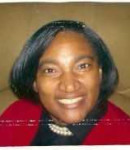
Instruments: Piano Voice Organ Music Keyboard
I have enjoyed playing, singing and accompanying vocally and on piano, organ and keyboard since the age of 7. I have both Choir and Solo vocal experience as well as played piano and organ for Churches and special performances. I have trained choirs and soloist and taught singing lessons for more than 10 years. I also have trained praise dancers and trained, accompanied instrumentally and toured an All City Children's Choir throughout Tarrant County for many years. Read More
Instruments: Piano Trombone
My teaching experience comes from a variety of different sources for the last 8 years. During college, I taught at my alumni as a summer marching band assistant. During that time, I also taught trombone and piano lessons to students around the Waco area. I have also taught as a elementary music teacher for two years, and I bring those skills with me to my lessons studio. For students of all ages, I give out as much encouragement and guidance as I can, but ultimately, I want students to become their own critiques. Read More
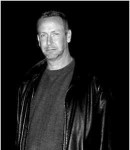
Instruments: Drums Conga Latin Percussion Djembe
When did you decide to become a professional musician? Was it a gradual decision or was there a defining moment for you?
Since the age of 15, i knew I wanted to make an honest living with my passion and love for drums. I began teaching in Williamsport, MD in 1993. I walked into this music shop to buy some drumming gear for an upcoming gig and the owner was frantic over his drum teacher leaving suddenly. I inquired and he had me play a kit sitting in the showroom and he hired me on the spot. So, I started with 21 students handed to me. In all essence, I began teaching drums because I wanted to yet I walked right into it one day.
What is your dream piece to perform and why?
I Don't Care Anymore by Phil Collins.
What is your favorite style/genre of music to play and why?
I love playing rock and blues - anything that I can use the entire kit on. I love Buddy Rich's style of jazzy big band swing also.
If you play more than one instrument, how did you decide to start playing the second? (Or 3rd, 4th, 5th, etc)!
I started in life playing guitar and bass along with drums but the drums chose me and it just stuck.
Does music run in your family? Tell us a little about your musical family members.
Both my parents were not musically inclined. My sister plays guitar and sings.
What does a normal practice session look like for you?
While every student and lesson is unique, here's a general outline of how I structure a typical drum lesson:
1. Warm-up (5-10 minutes):
Rudiments: We begin with essential rudiments like single stroke rolls, double stroke rolls, and paradiddles to develop stick control, hand-foot coordination, and warm up the muscles.
Stretching: Light stretches for wrists, fingers, and arms to prevent tension and promote flexibility.
Technique Review: We revisit key techniques from previous lessons to reinforce proper form and address any challenges.
2. Concept/Skill Focus (15-20 minutes):
New Concepts: Introduction of a new concept or skill, such as a specific rhythm, groove, fill, or drumming technique.
Demonstration and Explanation: I demonstrate the concept and break it down into manageable steps, providing clear explanations and visual aids.
Guided Practice: Students practice the new concept with guidance and feedback, focusing on accuracy, timing, and musicality.
3. Repertoire Building (15-20 minutes):
Applying Concepts: Students apply the new concept to a song or exercise, integrating it with previously learned material.
Exploring Styles: We explore different musical styles and grooves, applying the new concept in various contexts.
Creative Exploration: I encourage students to experiment and improvise, developing their own interpretations and variations.
4. Songwork/Performance Practice (10-15 minutes):
Playing Along: Students practice playing along to their favorite songs or backing tracks, developing their timing and groove in a musical context.
Performance Preparation: For students preparing for performances or auditions, we dedicate time to refining their pieces and building stage presence.
5. Review and Assignment (5 minutes):
Recap: We review key concepts and techniques covered in the lesson.
Practice Goals: I provide clear practice goals and assignments for the following week, ensuring continued progress and reinforcement.
Feedback and Encouragement: I offer constructive feedback and encouragement, celebrating achievements and motivating students for their next lesson.
Throughout the lesson:
Individualized Approach: I tailor the lesson to each student's specific needs, goals, and learning style.
Positive and Supportive Environment: I create a fun and encouraging atmosphere where students feel comfortable taking risks and exploring their creativity.
Open Communication: I encourage open communication and questions, ensuring that students fully understand the concepts and feel supported in their learning journey.
This structured yet flexible approach ensures that each lesson is productive, engaging, and tailored to the student's individual needs, fostering continuous improvement and a lifelong love of drumming.
Do you use specific teaching methods or books? (Ex: Alfred, Bastion, Suzuki, Hal Leonard) Why did you choose them if you did?
"Progressive Steps to Syncopation for the Modern Drummer" by Ted Reed is more than just a book; it's a comprehensive guide to unlocking rhythmic mastery and achieving drumming excellence. This timeless text serves as the foundation for countless drummers, from beginners taking their first tentative steps to seasoned professionals refining their craft.
By incorporating "Progressive Steps to Syncopation" into my teaching, I ensure that my students develop a strong rhythmic foundation, a deep understanding of musicality, and the versatility to excel in any genre. This book is not just a stepping stone; it's a lifelong companion on their drumming journey.
What musical accomplishments are you most proud of?
I had the honor to collaborate and work with members of notable recording artists like A Perfect Circle, Puscifer, Saving Able, Tantric, Saliva, and Kix. I have worked in the backend for acts like Lady GaGa and the Rolling Stones. I have performed with many notable musicians throughout my life.
What do you think is the hardest thing to master on your instrument?
Timing is probably the most important consideration in drumming. Without timing, everything falls apart.
25 Years
Since We Started
41,456+
Happy Customers
10,769
Cities with Students
3,123
Teachers in Network
Trusted as the industry leader, for over 21 years the teachers in our network have been providing Piano lessons in University Park to students of all ages and abilities.
We'll then reach out to the teachers for you.
Schedule the risk-free trial lesson directly with the teacher.
Continue with that teacher or try someone else.