336-790-8916



Musika Quick Stats
25 Years
Since We Started
41,456+
Happy Customers
10,769
Cities with Students
3,123
Teachers in Network
Lesson Special - Up to 20% OFF! Get Started Now with a Risk-Free Trial!
Here are just a few of the many teachers offering Piano lessons in High Point . Whether you are looking for beginner guitar lessons for your kids, or are an adult wanting to improve your skills, the instructors in our network are ready to help you now!
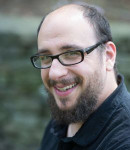
Instruments: Piano Music
I would describe my style as amiable and accessible. Making music should be a joy! I have taught students ranging in age from five to eighty-five, and am always happy to adjust my teaching style accordingly to meet the particular needs of the particular student. I am a friendly and personable fellow who loves to teach, and always try to ensure that this comes through in my approach to teaching. Read More
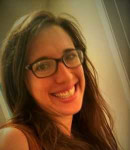
Instruments: Piano Voice
As I get to know my students I will learn better how to teach them. Some people respond best to big challenges, some people learn best with baby steps. Either way it is so important to take time and look back to see how much you have grown, and to celebrate both large and small milestones. Learning something new is a crazy amount of work, so it's important that you enjoy it. Read More
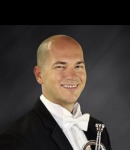
Instruments: Piano Trumpet Saxophone Drums Orchestral Percussion Latin Percussion Music Djembe
I create my own lesson plans (and some materials) specific to each student. Some standard books I use are Alfred's Drum Method book 1, The New Breed, Portraits in Rhythm, The Drummer's Complete Vocabulary to name a few. The books are necessary for developing music literacy, however I remind students that the pages don't make sound!!! Developing a discerning ear is paramount in my approach. Therefore we do a lot of listening and I engage students in dialogue for them to develop a personalized mental image of what they are trying to play. Read More
Instruments: Piano Voice Violin Cello Viola Trumpet Trombone Saxophone Flute Clarinet Drums Synthesizer Recorder Euphonium French Horn Tuba Piccolo Mallet Percussion Orchestral Percussion Oboe Bassoon Keyboard Djembe
For beginning students, I start with the Essential Elements book. If the student has already taken lessons or is in their school band/orchestra, I encourage moving onto the Rubank Elementary, Intermediate, and Advanced method books depending on ability. Once a student has proven that they are able to handle it, I will start on solo repertoire. Particularly for college-bound musicians who wish to major in music, the majority of their lessons will be based on preparing solo literature for All District or college auditions. Read More
Instruments: Piano Guitar Trumpet Acoustic Guitar
It’s always great to see improvement in a student nothing is more rewarding than that. I strive to have a relaxed teaching environment and persona for the student which makes the work more productive on both levels so that the student feels comfortable in the learning environment. I also would recommend an amount of practice that is recommended for any student that is willing to put in the work for what ever they are trying to achieve be it professional or amateur playing level. Read More
Instruments: Piano Keyboard
In the technical area I generally start with the Bastien or Alfred Series of Method Books. The student will lean to incorporate the technical and artistic to understand piano music especially can elicit different feelings. I take what the student is interested in music wise in order as a teaching tool. Also, I am incorporating in person and virtual lessons as we know the world has changed and we have found there are different ways to a great outcome. Read More
Instruments: Piano Voice Keyboard
Im a passionate leader and teacher who loves working with students to see them grow and develop in their passion. I graduated from Guilford College with a Bachelor of Arts degree in Vocal Performance and Education Studies this year 2022. I have been performing with school choirs since middle school and sang in both Guilford College choir and treble chamber choir called Lumina. In addition to that, I have had the opportunity to travel to many states in the US and sang in congregations. Read More
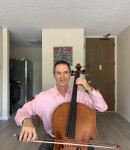
Instruments: Cello
What advice do you have about practicing effectively?
Devote your practice time to improving what you feel needs to improve.
With difficult passages, be patient and start by practicing these parts very slowly, then gradually increase speed or tempo as you gain control of the passage.
How do I know if my child is ready to start lessons?
If your child is genuinely interested in playing an instrument, he or she will be sincere about it. However, choosing to play an instrument involves assuming responsibility, and you will then have to talk with your child about their willingness to be disciplined and practice regularly. If they are not able or committed to practice 30 minutes per day, then the decision to start lessons should be postponed.
If you weren't a musician what do you think you'd be doing instead?
Well, I'm a musician, but I still have to work as a nurse to make an adequate living in Honolulu. Many talented musicians do other jobs to meet their needs and therefore not have the pressure of having to make all your funds as a musician.
What is your favorite style/genre of music to play and why?
My favorite type of music to play is baroque music of the late 17th and 18 centuries. I especially love the Italian baroque music, the music of Vivadi, Corelli, Monteverdi, Geminiani. And I love French baroque music, the music of Francois and Louis Couperin, Marais, and Rameau. My favorite, however, is Bach, whose music is the zenith of the baroque era.
If you play more than one instrument, how did you decide to start playing the second? (Or 3rd, 4th, 5th, etc)!
A roommate in college got me interested in classical guitar, and so I took a few lessons and play a little classical guitar from time to time.
Does music run in your family? Tell us a little about your musical family members.
My parents enjoy music, but never learned to play an instrument. My brother, however, is a talented violinist and violist.
When did you decide to become a professional musician? Was it a gradual decision or was there a defining moment for you?
I always wanted to be a professional musician, since middle school and high school.
What is your dream piece to perform and why?
I love the Bach cello suites, which are difficult to play as they require considerable skill and technical prowess to really sound special. Without solid technical mastery, it is difficult to play these masterworks well.
If you have a Music Degree, what is it in (Performance, Education, Musicology, Theory, Composition, etc) and why did you choose that degree?
I have a bachelors of music degree in cello performance. I fell into this course of study naturally, having been awarded a full scholarship to the San Francisco Conservatory of Music's preparatory division for grade school students at age 11.
What musical accomplishments are you most proud of?
As a child cello player, I am proud of the fact that after one year of instruction, I was able to write my own short solo cello composition and perform it at a recital event. It gave me a sense of accomplishment at a very young age. I believe I was 8 or 9 when this happened.
Have any of your students won awards or been selected for special honors? How have they succeeded?
Because of my military career, I moved frequently, and I have not had time to really develop and nurture a student the way I would have liked to. I look forward to this opportunity now and in the days ahead.
What do you think is the hardest thing to master on your instrument?
Keeping the bow hand and the fingering hand supple, smooth and controlled during recital performances. When I lacked experience, sometimes my bow would have a slight nervous trembling during recital performances. I later learned that this was barely noticeable to the audience, but to myself it felt like an earthquake was happening. Experience with playing in front of other people eventually cures this, because the experience becomes more familiar and less stressful.
Did you have a teacher that inspired you to go into music? How did they inspire you?
My older brother is a violinist and introduced me to classical music at a very young age. One day he brought home a small cello from his school and gave me my first lesson. I fell in love with the instrument immediately, and so I am very grateful to my brother for his mentorship and getting me started on the cello.
Do you use specific teaching methods or books? (Ex: Alfred, Bastion, Suzuki, Hal Leonard) Why did you choose them if you did?
I learned through the Suzuki method, a very basic method which focuses on learning simple, fundamental concepts and techniques, and then building upon those fundamentals in a step-by-step progressive fashion. However, other teaching methods, such as Hal Leonard's string lesson books, are also effective, and similar to the Suzuki method.
What does a normal practice session look like for you?
Before the practice session even starts, I have an action plan or a menu of what to cover. In other words, the practice session content is pre-determined and planned. This way the practice session is succinct and organized. The brain learns more easily when the practice activity is structured, instead of being random or haphazard.
When will I start to see results?
Good work produces a good wage. If you practice your lesson material regularly, and are disciplined to practicing at least 30 minutes per day, you will see gradual progress. If you commit to practicing 45-60 minutes per day, and follow your teacher's lesson plans, progress will come more quickly.
Why did you choose your primary instrument?
I chose the cello because of my brother's love of the cello and his introducing me to the instrument and giving me my first cello instruction.
25 Years
Since We Started
41,456+
Happy Customers
10,769
Cities with Students
3,123
Teachers in Network
Trusted as the industry leader, for over 21 years the teachers in our network have been providing Piano lessons in High Point to students of all ages and abilities.
We'll then reach out to the teachers for you.
Schedule the risk-free trial lesson directly with the teacher.
Continue with that teacher or try someone else.