
 847-235-6117




Musika Quick Stats
25 Years
Since We Started
41,456+
Happy Customers
10,769
Cities with Students
3,123
Teachers in Network
Lesson Special - Up to 20% OFF! Get Started Now with a Risk-Free Trial!
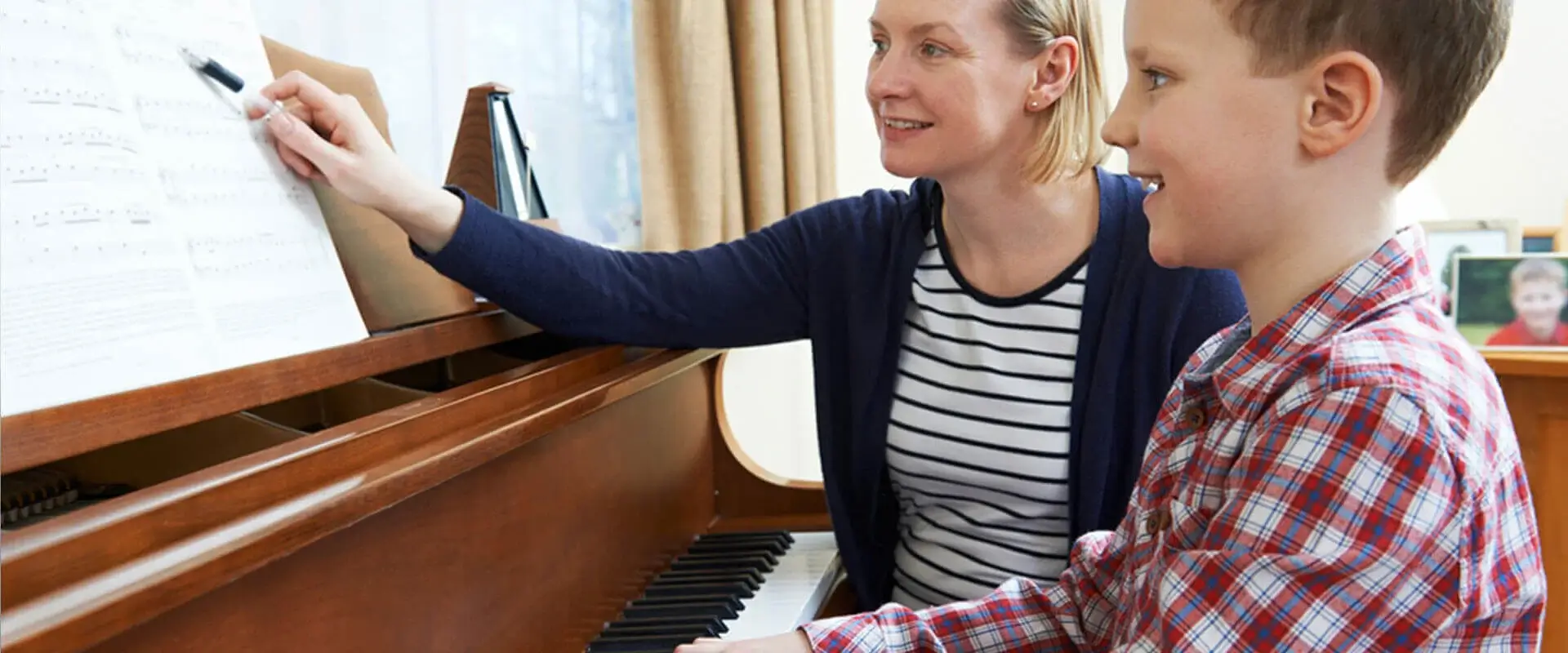
Here are just a few of the many teachers offering Piano lessons in Buffalo Grove . Whether you are looking for beginner guitar lessons for your kids, or are an adult wanting to improve your skills, the instructors in our network are ready to help you now!
Instruments: Piano Flute Recorder Music Keyboard
I believe it is important to teach to the individual. Each student will require a different path to success and therefore, I will choose the method that best fits with their learning style, personality and interests. In addition, it is important to rememeber that many students are successful with their own guided learning plan instead of following a book. However, there are also students who thrive with the step by step stylized learnin plan only a method can provide. Read More
Instruments: Piano Voice Keyboard
Like most music teachers, my passions started with performing myself, and then using those experiences to educate my students. I have be a part of several operas, musicals, choirs, pop and Jazz ensembles, and each experience taught me tactics that I would not have learned anywhere else. I then paired my performing knowledge with my knowledge of education and with that I have successfully taught choirs, bands, vocal a capella ensembles, classrooms, musicals, pit orchestras and many many voice and piano students from ages 5-63! Read More
Instruments: Piano Organ Synthesizer Keyboard
In my private lesson, you'll gain an understanding, not only of the piano and how to play it in many different styles, but also of music, how it works and how songs are formed and structured. You are about to begin a journey of playing the piano that will take you as far as you are willing and able to go. I will give you everything you need to learn to play the piano by ear, along with lots of extras. Read More
Instruments: Piano Guitar Violin Saxophone Clarinet Recorder Keyboard Acoustic Guitar
I am goofy kind of gal who is a kid at heart so, while I do not allow the students to goof-off during practice, I definitely encourage the children to have fun and take breaks. Learning a new skill is taxing on the brain so I do enjoy inserting some brain-breaks here and there, when necessary. I'm also a very big sticker advocate! Most children enjoy them, and I love rewarding them after completing a song we've been working on. Read More
Instruments: Piano Guitar Electric Guitar
My teaching style is that I set a plan for every student I have. For instance, I will apply reading notes, but that will not work for each student, each student is different and would prefer another style of teaching. That's when i would test their own level of memorization. I would teach each student chord structure of memorizing maximum 2 chords. Once each student fully has the 2 chords memorized I would hand them a sheet of paper, giving them instructions on top of the paper, stating Now that you have mastered memorizing the chords I would want you to come up with a small melody by building a staff with a time signature and writing the notes on the sheet of paper. Read More
Instruments: Piano Voice
Lessons with me will be laid-back but focused. Each student will receive an individualized curriculum based upon their needs/wants from their lessons. Believe me, I've had some bone-dry teachers in the past, and if you're not having fun and liking what you're doing, you're most likely going to forget the lesson you just had. We're going to learn by having fun and doing what I love most! Read More
Instruments: Piano Trumpet Trombone Clarinet Euphonium French Horn Tuba Music Keyboard
Dan M is a freelance musician and private lesson instructor in the Chicago area. Born in the Chicago suburbs, Dan graduated from Northern Illinois University with a Bachelor of Music in euphonium performance, and traveled to Colorado where he earned a Master of Music in trombone performance at the University of Colorado at Boulder. As an active musician, he has performed on trombone, and euphonium in many musical groups ranging form wind ensembles and orchestras to brass quintets and other chamber groups. Read More
Instruments: Guitar Synthesizer Ukulele Electric Guitar Classical Guitar Acoustic Guitar
Do you use specific teaching methods or books? (Ex: Alfred, Bastion, Suzuki, Hal Leonard) Why did you choose them if you did?
For beginning students I use the Mel Bay Guitar Method. Mel Bay books have provided reliable teaching methods for many decades. They are clearly written and easy to follow. I find these books helpful in building a strong foundation for growing a young student's technical proficiency. They are written in standard notation which improves sight-reading and helps train the student's ear. I will supplement the Mel Bay Method with popular songs the student is interested in. The goal is to get the student performing the songs he/she wants to play while building fundementals adaptable to all styles of music.
What do you think is the hardest thing to master on your instrument?
The hardest thing to master on the instrument is musicality and instinct. They are difficult things to teach. You can play the right notes but why does Hendrix sound like he does playing the very same notes on the same instrument? Listening properly is not an easy thing for a student to understand. It's more than playing the right notes within the correct tempo. It's all the space in-between the notes. It's all the time in-between the beats. Touch, feel and grace are very difficult things to accomplish on an instrument. Mastering the instrument requires focus, dedication and time.
Have any of your students won awards or been selected for special honors? How have they succeeded?
I have had students go on to major in music in college - including at the Berklee School of Music in Boston. I've had a student graduate with a Masters degree from Webster University. Many of my students have formed bands and performed live while also writing and recording their own songs. One of my students signed a major record contract with his band and toured the country. Others have accomplished smaller goals which brought them just as much joy. Becoming accomplished guitarists who can comfortably perform their favorite songs.
What musical accomplishments are you most proud of?
I am most proud of writing my own songs and producing my own records. They represent my stories. My take on life. Having the opportunity to travel and perform these songs live is something I'm so grateful for. Seeing people at a concert reacting to something I've recorded or seeing people react online to something I've written is touching. Traveling the world to play music is something I'm very proud of. I'm also proud to live and work in Nashville. It's an honor to be a part of this music community - to be a part of recording sessions with the greatest musicians and producers on the planet.
25 Years
Since We Started
41,456+
Happy Customers
10,769
Cities with Students
3,123
Teachers in Network
Trusted as the industry leader, for over 21 years the teachers in our network have been providing Piano lessons in Buffalo Grove to students of all ages and abilities.
We'll then reach out to the teachers for you.
Schedule the risk-free trial lesson directly with the teacher.
Continue with that teacher or try someone else.